
If someone had told me five years ago that I would become a passionate advocate for meditation, I would've laughed…loudly. Back then, I believed meditation was all about sitting still, clearing my mind completely, and being impossibly Zen. And as a driven, high-performing professional, I didn't just think I was bad at it, I thought meditation simply wasn't built for people like me. I was wrong. And that misconception nearly cost me everything.
Meditation is far more expansive, inclusive, and powerful than most people imagine, especially high achievers. Today, I'm busting the most common myths that might be keeping you from experiencing the game-changing power of meditation, rooted in science and personal experience.
Myth #1: Meditation Means Having Zero Thoughts
If you've ever sat down, closed your eyes, and felt overwhelmed by racing thoughts, you've probably thought, "I'm terrible at meditation." Guess what? You're meditating!
Meditation isn't about emptying your mind completely. It's about observing your thoughts without judging or chasing after them. Each time you notice your mind wandering and gently redirect it, you're actively rewiring your brain, boosting your focus, and calming your nervous system.
Simply noticing your busy mind is meditation in action. You're doing it right!
Myth #2: Meditation Requires Sitting Still and Silent
Sure, sitting quietly is just one meditation approach, and certainly not the only one. In fact, some of the most effective meditation techniques for busy professionals involve guided meditations, sound meditation, or even gentle, intentional movement.
- Guided Meditation: Having a skilled guide walk you through visualization exercises makes meditation easy, accessible, and enjoyable, even if your mind loves to wander.
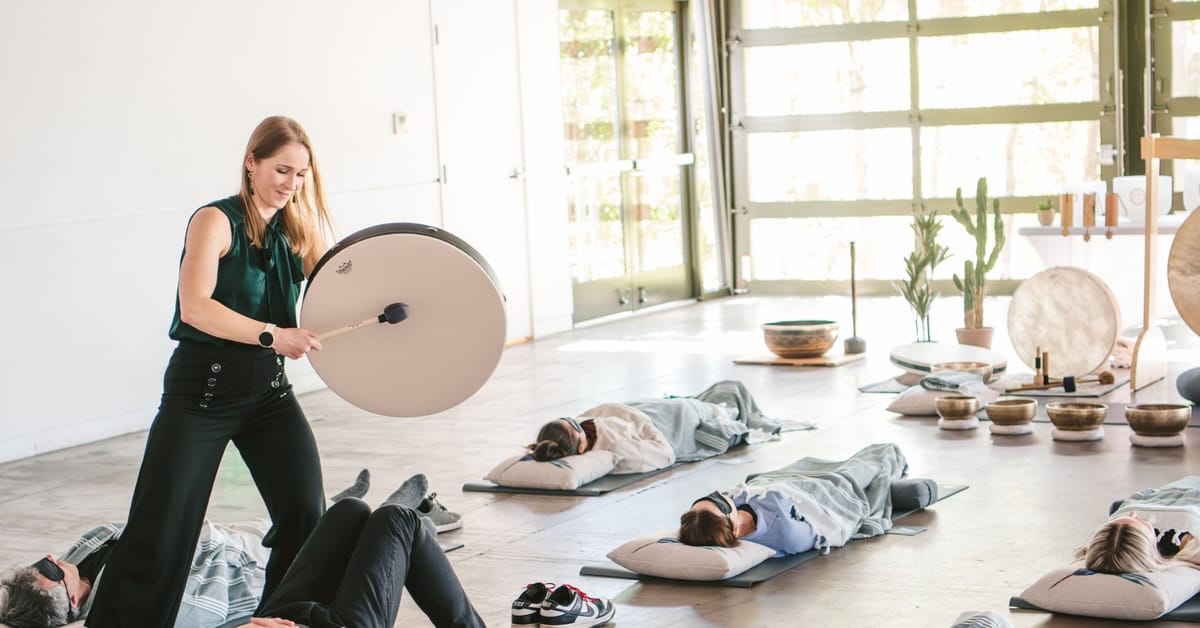
- Sound Meditation: Also known as The Ascendify Method Meditation, this immersive experience uses soothing sounds and frequencies to effortlessly drop your brain into deeply restorative states, no silent sitting required.
- Movement-Based Meditation: Practices like Yin Yoga and Somatic Yoga use gentle movement to connect your mind and body, naturally releasing stored stress and tension.
Myth #3: Meditation Takes Too Much Time
If you're a busy professional, your schedule probably doesn't have room for long meditation sessions every day. Good news, you don't need them!
Neuroscience research shows that even short, consistent meditation sessions as brief as five minutes a day significantly reduce stress, improve cognitive function, and increase productivity.
Consistency matters far more than duration. Brief, regular sessions will transform your wellbeing and performance faster than you think.
My Personal Wake-Up Call: Rewiring a Lifetime of Hustle Culture
I learned these meditation myths through hard experience. Years ago, I attended a leadership workshop by DuPont. I sat with over forty peers, arms crossed, jaw clenched, thinking, "This meditation is such a waste of time!" When the facilitator gently encouraged me to participate, I reluctantly closed my eyes for the longest ten minutes of my professional life.
Afterward, I quickly said, "That was exhausting. I feel worse." The facilitator's response changed my perspective forever. She softly replied, "Perhaps you've been exhausted all along. Slowing down just allowed your body to communicate that it needs rest."
Though impactful, that moment didn't immediately change me. For twelve more years, I clung to my "productivity at all costs" mindset, pushing through exhaustion and ignoring my body's signals. Eventually, my body went on strike: my hair fell out, constant tremors developed, inflammation took over, and severe medical issues led to three major surgeries in three years.
Shockingly, no medical professional ever mentioned my nervous system. Despite countless appointments, no one addressed this crucial connection between my stress, nervous system regulation, and overall health. It took hitting absolute medical burnout before discovering what my body truly needed: restorative practices like sound meditation, NSDR (Non-Sleep Deep Rest or Yoga Nidra), and gentle movement-based meditations.
Sound meditation, in particular, became transformative. It bypassed my brain's resistance, effortlessly guiding me into a deeply restorative state. The neuroscience behind this practice reveals sound meditation significantly reduces anxiety and stress while increasing emotional resilience.
Experience Powerful, Effortless Meditation
You don't have to wait for a crisis to experience the profound benefits of meditation. If traditional meditation has felt challenging, inaccessible, or frustrating to you, consider this your personal invitation to explore meditation in a fresh, empowering way.
Here's How to Start Right Now:
- Try Guided Meditations: Perfect for beginners, they remove the pressure and guide you step-by-step into relaxation.
- Experience Vibroacoustic Meditation: Effortlessly ease your body and mind into deep relaxation through soothing frequencies.
- Experiment with Gentle Movement: Somatic movement helps you reduce deep muscle tension and are particularly effective for high-stress individuals.
- NSDR (Yoga Nidra): Experience deep restorative rest that resets your nervous system and boosts performance, without sleeping.
If you're not quite sure where to begin, I'm here for you. My online neuroplasticity platform IncendifyTM powers your optimization journey with guided short, science-based practices you can use anytime, anywhere, on any device. Each course and practice is meticulously curated to retrain your mindset and sharpen your focus in time-efficient sessions you can fit in between meetings.