
The Ascendify MethodTM: Proprietary Neuroscience-Based Mind-Body Optimization
The Ascendify Method is our proprietary system of neuroscience-based experiences, curated by founder Liz Adriano to optimize how you and your teams think, perform, and lead. Every element is grounded in peer-reviewed research and tailored to your organization's objectives.
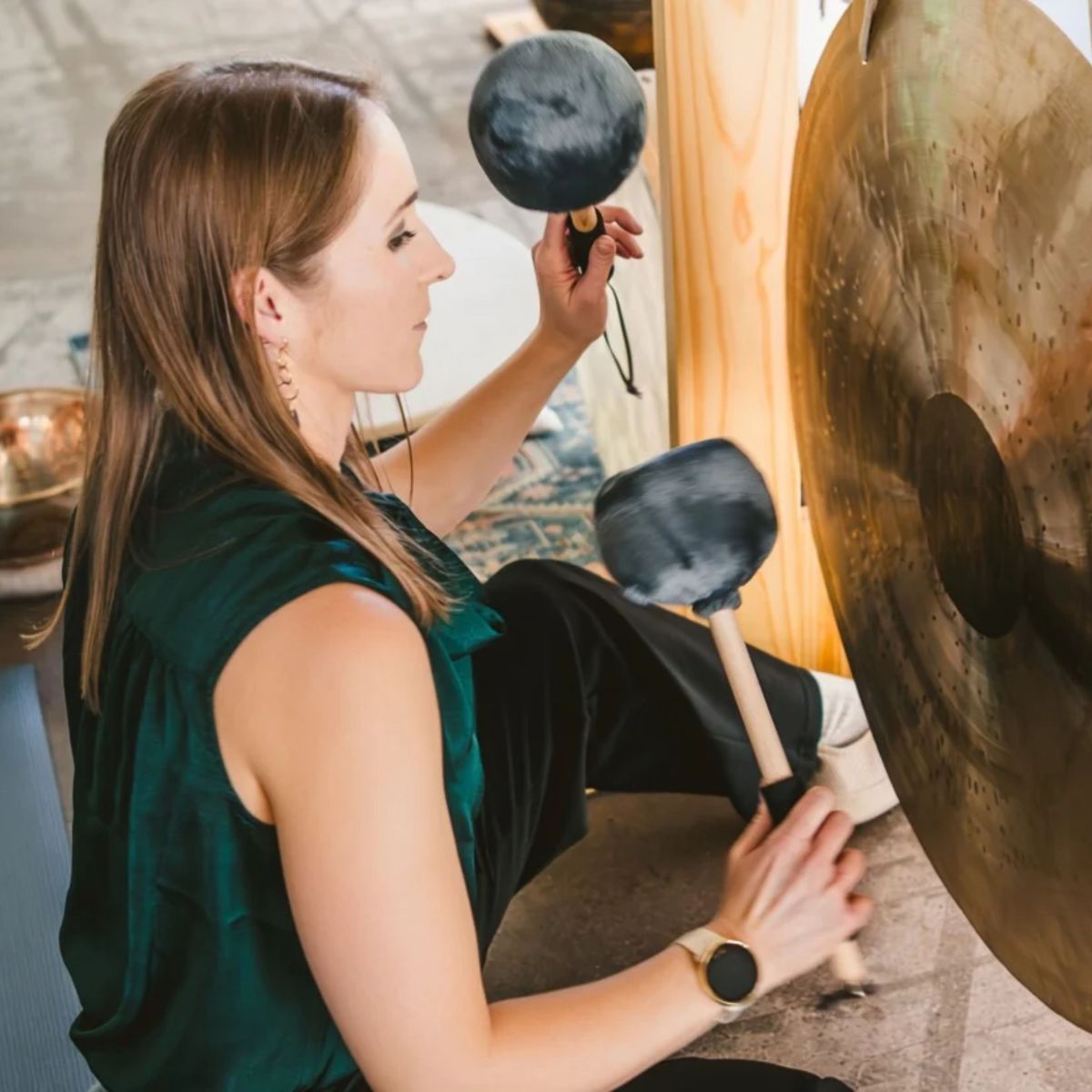
Why Liz Adriano Created The Ascendify Method
After nearly 15 years of Fortune 500 leadership experience, Liz Adriano needed a way to sharpen her own focus and reset under pressure, and nothing on the market brought rigorous neuroscience and elite mind-body practice together in one integrated experience tailored to high-achieving professionals. Frustrated by overly holistic experiences that did more harm than good, Liz set off on an epic information scavenger hunt and discovered her peers were facing the same challenges. Driven to deliver what high-performing teams and professionals needed, she created The Ascendify Method so others wouldn't have to search the way she had.
The Ascendify Method integrates four proprietary modalities, each grounded in published research on attention, stress, and performance, into one experience tailored to your goals, audience, and agenda. Liz personally curates every session to your audience, which is why no two Ascendify experiences are exactly alike.
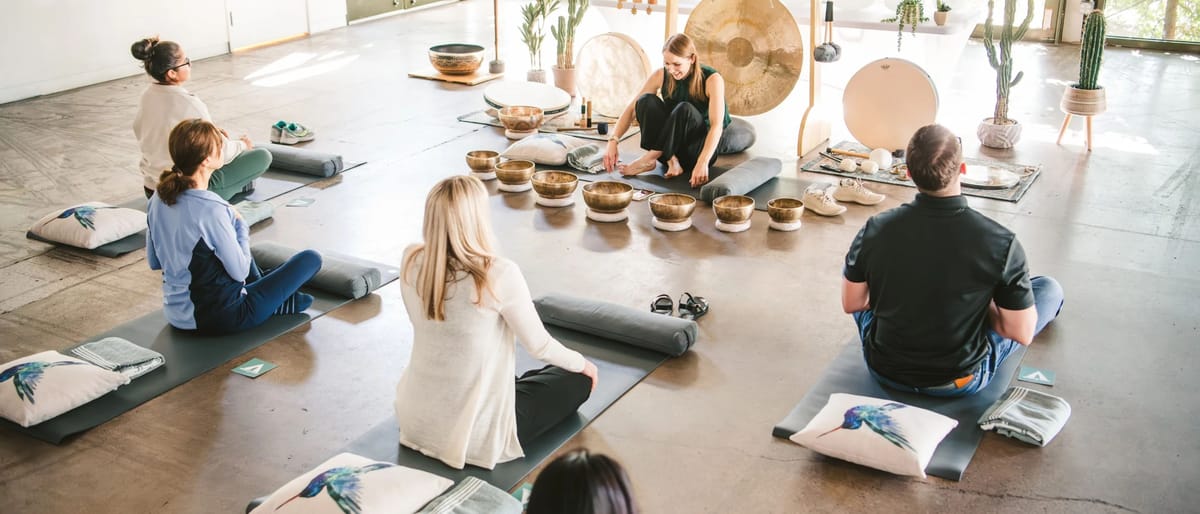
The Ascendify Method Meditation
A Proprietary Vibroacoustic Experience That Effortlessly Brings Your Brain Into Deep Theta States
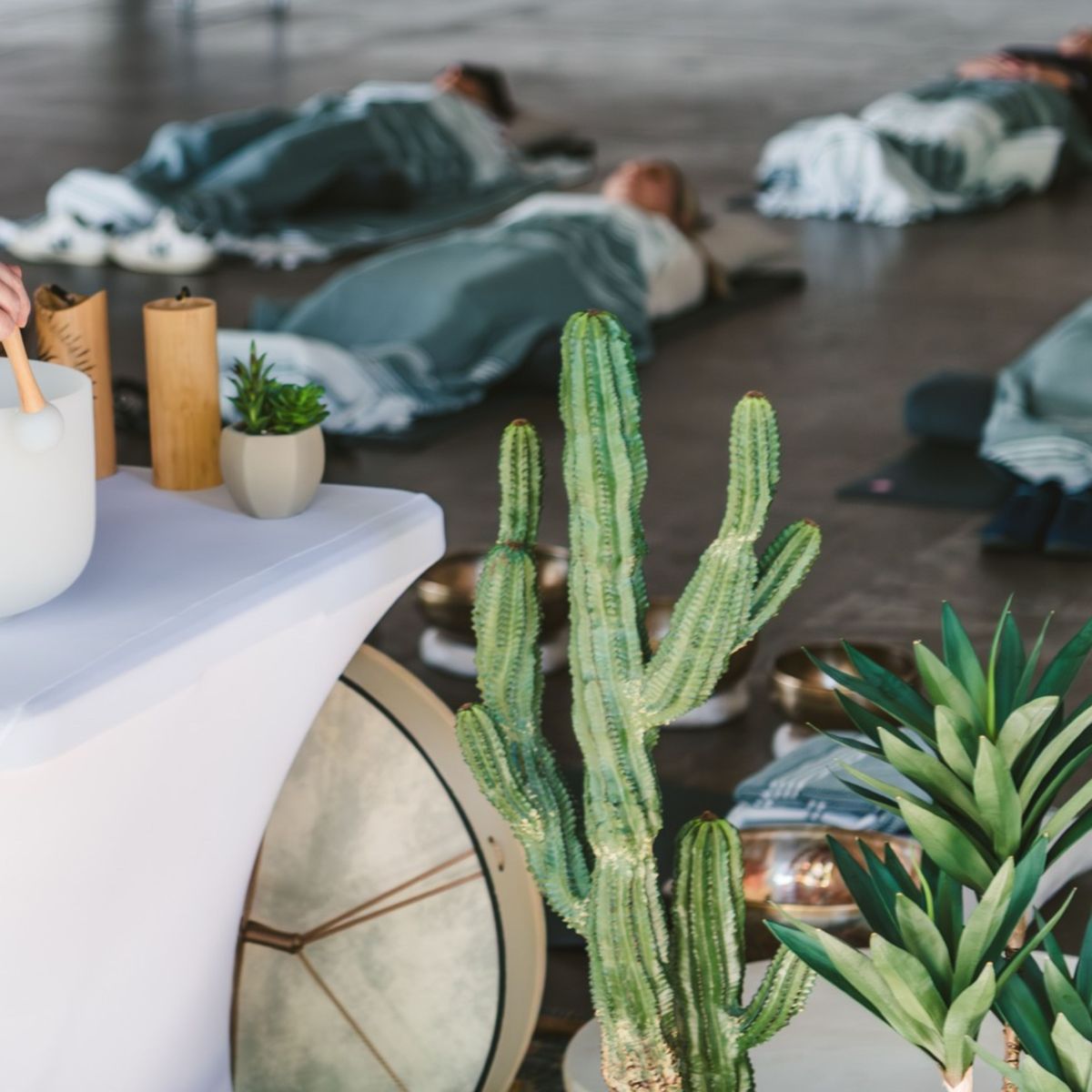
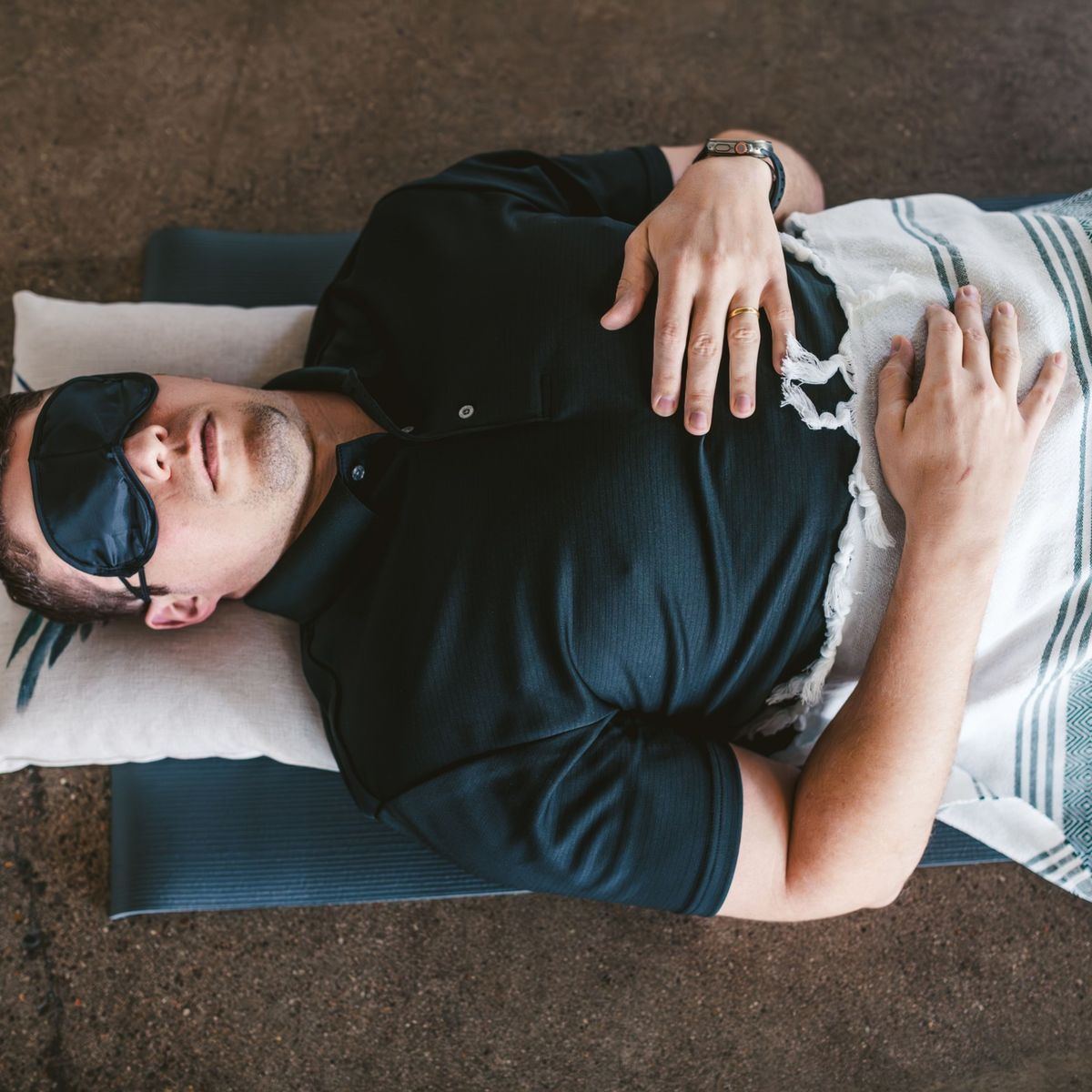
The Ascendify Method Meditation uses mathematically sequenced, rhythmic sequences of specialized instruments. to effortlessly guide your brain from active beta into deep theta states, supporting your body's natural ability to regulate stress and optimize performance. Dr. Lagopoulos's research at the University of Sydney found that meditation shifted the brain toward significantly greater theta activity compared with ordinary rest, and Dr. Bartel's research at the University of Toronto outlines how low-frequency sound vibration can influence the nervous system, circulation, and brainwave activity.
Because this experience is proprietary and highly tailored, sessions are held in small groups of 30 or fewer and integrated with your organization's objectives. Our capacity for stand-alone sessions is full so we can maintain our quality of excellence, but you can experience it within any of our three conference packages or Escape Room Team Building.
The Ascendify Method Yoga
Somatic Movement That Increases Resilience and Reduces Stress and Tension
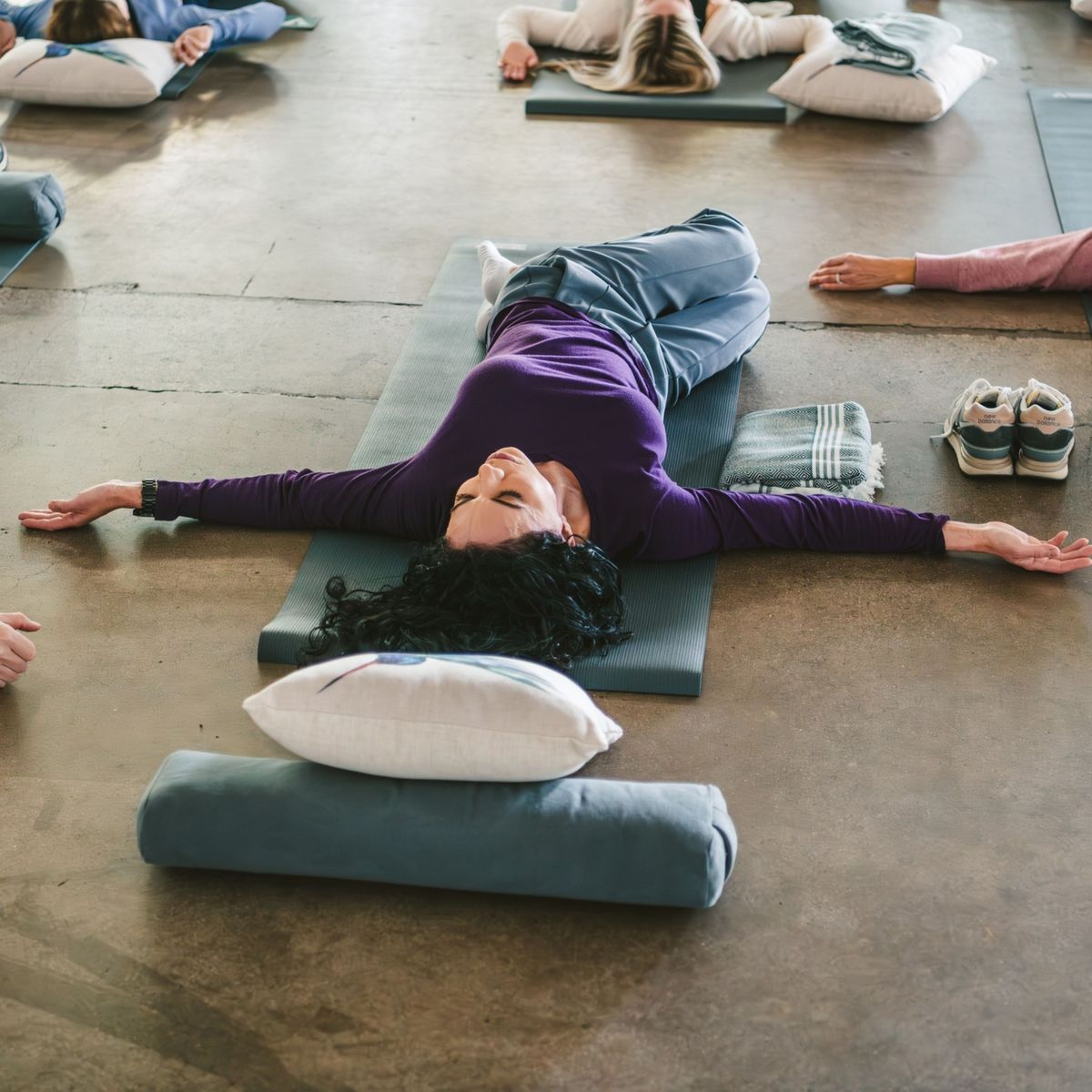
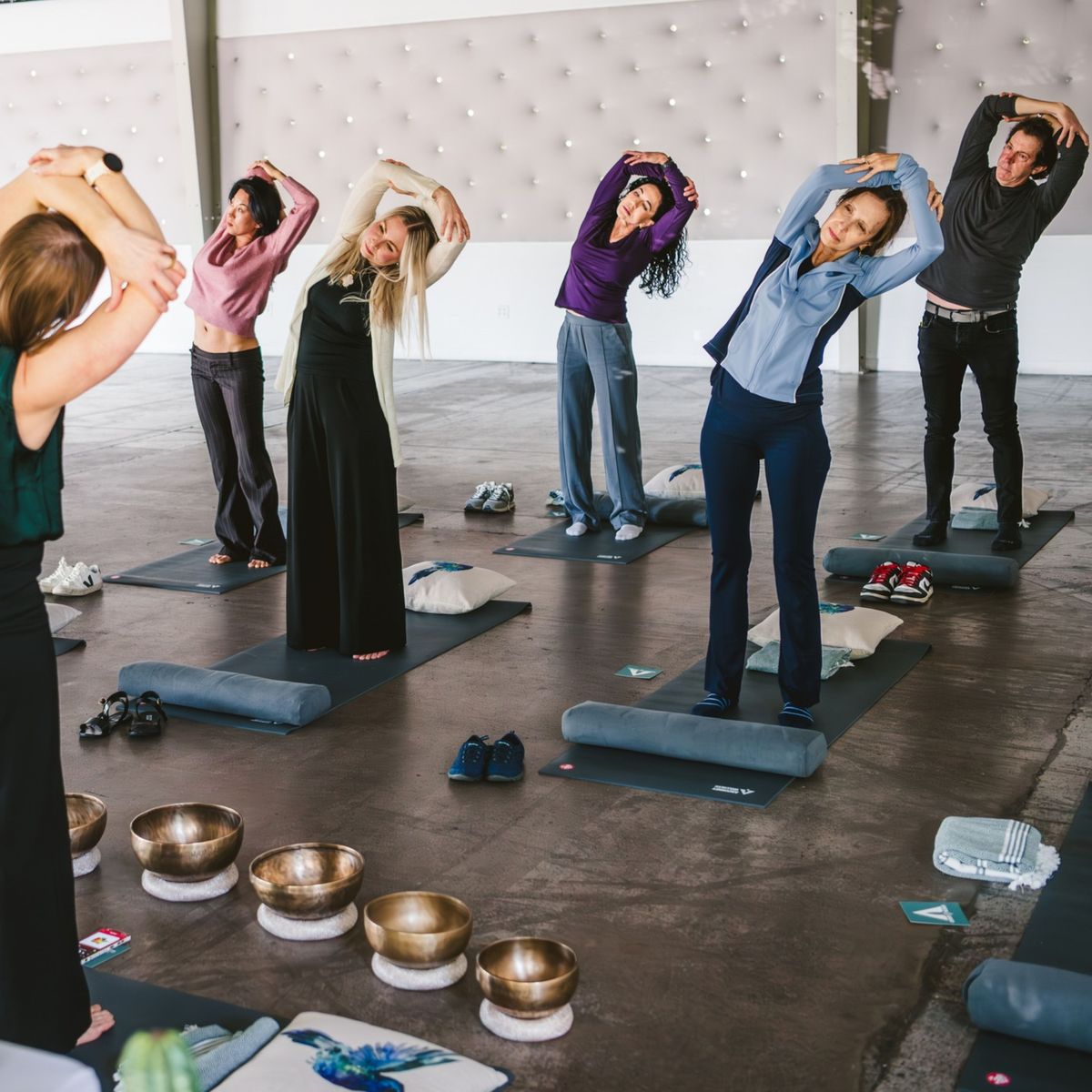
The Ascendify Method Yoga uses non-habitual movement that is accessible to everybody, regardless of your fitness or flexibility levels. Each sequence strengthens interoception, your internal body awareness, and proprioception, your sense of where your body is in space. Dr. Payne and colleagues at Dartmouth describe interoception and proprioception as core elements of how the body regulates its response to stress. As your body and brain experience and learn new movement patterns, chronic tension patterns are broken, enabling you to move with greater ease.
Improve Brain Health
Dr. Gothe's review at the University of Illinois found that yoga practice is associated with positive changes in brain regions involved in memory and emotional regulation, including the hippocampus and prefrontal cortex. Dr. Villemure's research at the National Institutes of Health found that experienced yoga practitioners did not show the age-related gray matter decline seen in non-practitioners.
Lower Stress
Dr. Mandlik's systematic review at the University of Sydney found that a single session of yoga, meditation, or breathing techniques reduced acute stress reactivity in healthy adults, and Dr. Pascoe's meta-analysis found that practices including yoga postures were associated with lower cortisol, lower blood pressure, and lower resting heart rate. Dr. Zok's research at Poznan University of Medical Sciences found that regular yoga practice was linked to significantly lower stress levels.
Increase Resilience
Your workday takes a physical toll. Dr. Mohammadian's research at Kerman University of Medical Sciences found that 81% of office workers experienced work-related musculoskeletal disorders, most often in the neck and lower back, and that job stress was linked to these disorders across every region of the body. Dr. Wadhen's meta-analysis of desk-based workers at Kingston University found that yoga was associated with improvements in wellbeing, stress, sleep quality, and musculoskeletal discomfort.
The Ascendify Method Mobility
Mobility and Agility That Elevate Energy, Focus, and Health
Long stretches of sitting take a heavy toll on the incredible body that powers your life and success. Dr. Keith Diaz's lab at Columbia University found that five minutes of light walking every 30 minutes significantly reduced blood sugar spikes after meals and lowered blood pressure, and his large-scale trial found that short movement breaks reduced fatigue and lifted mood with no cost to work performance.
Mobility also shapes your long-term health and sharpness. Dr. Yamamoto's research at the University of North Texas Health Science Center found that poorer trunk flexibility was associated with stiffer arteries in middle-aged and older adults, and Dr. Chang's meta-analysis at the University of North Carolina at Greensboro found that a single session of exercise improved cognitive performance in the period that followed.
We curate The Ascendify Method Mobility for each experience. In Attendee Attention Resets, movement is designed around your seating configuration so your attendees participate right where they are. Within our conference packages, it can also be delivered as robust, mat-based mobility and agility sessions that build strength, range of motion, and coordination.
The Ascendify Method Pilates
Proper Posture and Core Strength That Power Your Presence, Performance, and Longevity
Your posture shapes how you show up in the boardroom, on stage, and in every high-stakes conversation. Dr. Nair's research at the University of Auckland found that sitting upright under stress maintained self-esteem, improved mood, and reduced fear compared with a slumped posture.
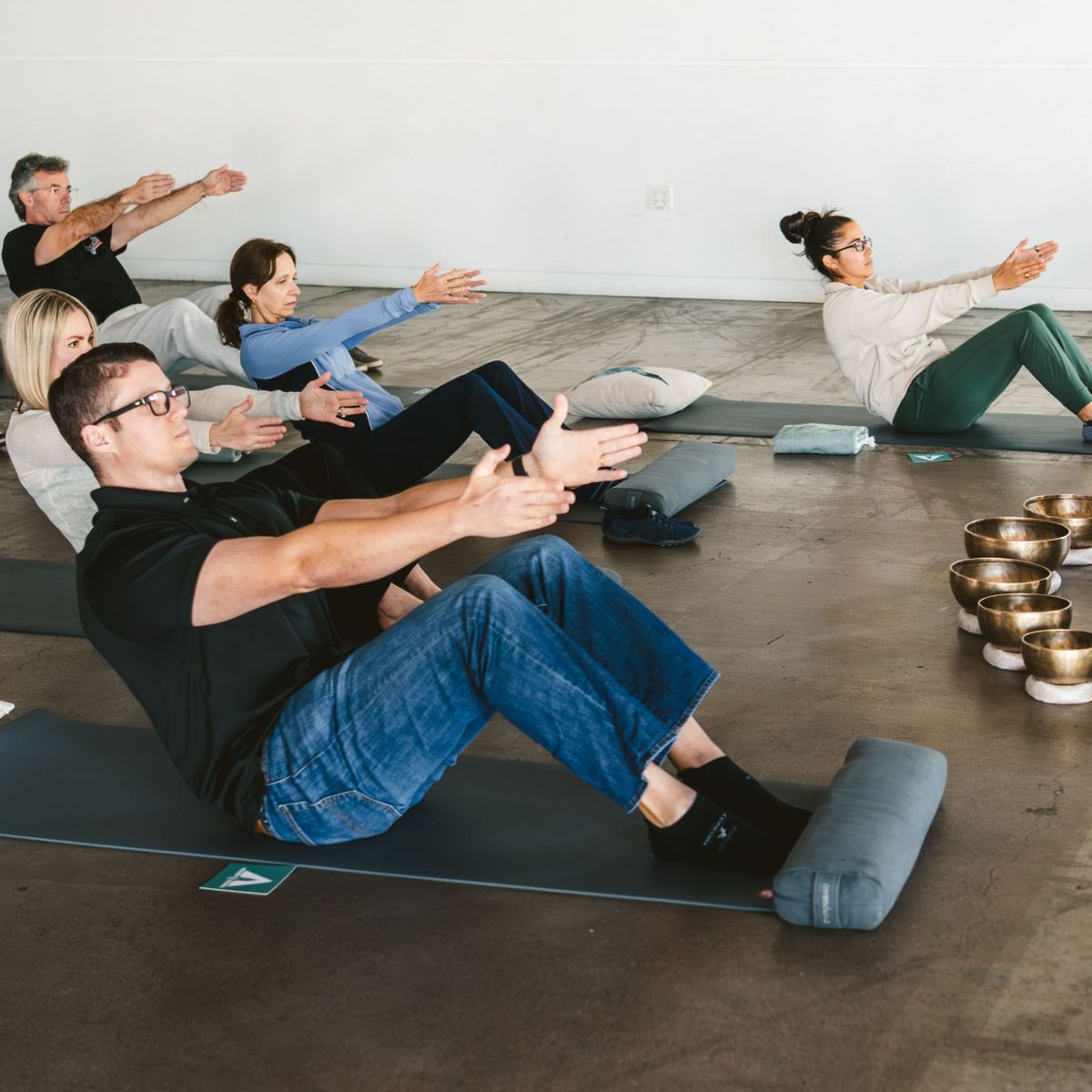
Dr. Kloubec's research at Seattle University found that 12 weeks of Pilates significantly improved abdominal endurance, hamstring flexibility, and upper-body muscular endurance, the core strength that powers your performance and longevity. The Ascendify Method Pilates is Liz's somatic approach to Pilates, uniquely designed to be accessible for most bodies and all levels, ideal for someone without fitness experience and a competitive CrossFitter alike.
Designed for You: We Customize The Ascendify Method for Your Organization
Your brain adapts to what you practice. Dr. Lazar's research at Massachusetts General Hospital and Harvard Medical School found that meditation experience is associated with increased cortical thickness in brain regions tied to attention. We leverage that neuroplasticity by curating practices that teach techniques your teams can implement at work and at home long after the session ends.
Every experience begins with your goals, audience, and agenda. Attendee Attention Resets and Interactive Keynotes draw on guided meditation, guided visualization, deep breathing exercises, somatic movement, and elements of The Ascendify Method Mobility and Pilates. Our three conference packages and Escape Room Team Building can also include The Ascendify Method Meditation.
Experience The Ascendify Method Through Our Solutions
Attendee Attention Resets
Neuroscience-based experiences that reset attendee attention between sessions, with movement designed around your seating configuration.
Interactive Keynotes
Keynotes your audience participates in, combining research, guided practice, and movement to hold attention from the first minute.
Conference Packages
Curated programming across your conference, including The Ascendify Method Meditation in small groups of 30 or fewer.
Team Building Activities
Neuroscience-based team building workshops curated to your team's goals, including Escape Room Team Building with The Ascendify Method Meditation.
Your Teams' Privacy Is Protected in Every Session
Every Ascendify Method session is held with complete discretion. We never photograph participants, and nothing about your organization or your teams is ever shared.
Protect Your TeamsFrequently Asked Questions About The Ascendify Method
The Ascendify Method is the proprietary system of neuroscience-based experiences founder Liz Adriano created to optimize how you and your teams think, perform, and lead. It curates four modalities, The Ascendify Method Meditation, Yoga, Mobility, and Pilates, each grounded in peer-reviewed research and tailored to your organization's objectives.
The Ascendify Method includes four proprietary modalities: The Ascendify Method Meditation, our vibroacoustic experience; The Ascendify Method Yoga, a somatic movement practice; The Ascendify Method Mobility, mobility and agility experiences curated to your event; and The Ascendify Method Pilates, Liz's somatic approach to posture and core strength. Liz curates the mix for each experience.
Liz Adriano developed every element of The Ascendify Method herself, drawing on nearly 20 years of professional experience, nearly 15 years of Fortune 500 leadership experience, and her certifications in meditation, somatic yoga, and Pilates. We understand how unique your organization is and know you need tailored solutions to deliver the most impactful results. Each session is curated from published neuroscience and psychology research and integrated with your organization's objectives, so no two experiences are alike.
No experience is needed. The Ascendify Method is designed to be accessible for most bodies and all levels, from someone without any fitness experience to a competitive CrossFitter. You don't need to be flexible or have good balance to participate successfully.
The Ascendify Method Pilates is Liz Adriano's somatic approach to Pilates, focused on posture and the core strength that powers your performance and longevity. Research from Seattle University found that 12 weeks of Pilates significantly improved abdominal endurance and flexibility, and research from the University of Auckland links upright posture to steadier mood and self-esteem under stress.
In Attendee Attention Resets, Liz designs precise, energizing movement around your seating configuration, so your attendees participate right where they are in the room. Within our conference packages, The Ascendify Method Mobility can also be delivered as robust, mat-based mobility and agility sessions. Research from Dr. Keith Diaz's lab at Columbia University shows that brief movement breaks during long stretches of sitting improve blood sugar and blood pressure.
Attendee Attention Resets and Interactive Keynotes use guided meditation, guided visualization, deep breathing exercises, somatic movement, and elements of The Ascendify Method Mobility and Pilates. The Ascendify Method Meditation is an ultra-proprietary vibroacoustic experience held in small groups of 30 or fewer, and our capacity for stand-alone sessions is full so we can maintain our quality of excellence. You can experience it within any of our three conference packages or Escape Room Team Building.
Liz begins with a consultation to understand your goals, audience, and agenda. She then curates the modalities, research, and flow of each experience to integrate with your event programming or team objectives.
Ascendify delivers The Ascendify Method across Scottsdale, Paradise Valley, Phoenix, and the greater Phoenix East Valley in Arizona. Interactive Keynotes and Attendee Attention Resets, which draw on The Ascendify Method's guided meditation, deep breathing exercises, and movement, are available at conferences across the United States. Other areas can be quoted.